

How Automotive Electronics PCB and PCBA Improve Vehicle Performance and Reliability
2026-08-05
Article Summary
The rapid development of intelligent vehicles, electric vehicles, and advanced driver assistance systems has significantly increased the demand for reliable automotive electronics PCB and PCBA solutions. These circuit technologies serve as the foundation of modern automotive electronic systems, supporting critical functions such as power management, safety control, infotainment, battery monitoring, and autonomous driving applications. However, automotive manufacturers and suppliers often face challenges including harsh operating environments, strict reliability requirements, complex designs, and long-term durability expectations.
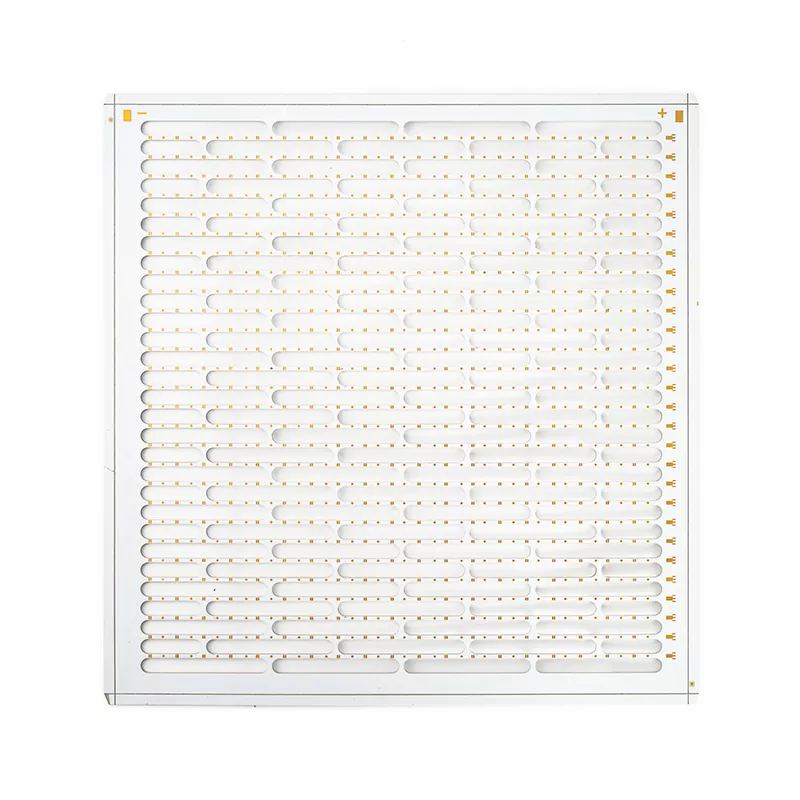
This article explains how automotive electronics PCB and PCBA solutions address these challenges, improve vehicle performance, and help manufacturers achieve stable and efficient electronic system integration. It also introduces key design considerations, manufacturing processes, quality requirements, and practical solutions provided by professional suppliers such as Aisen Electronics Co., Ltd.
Table of Contents
- Understanding Automotive Electronics PCB and PCBA
- Why Automotive Electronics PCB and PCBA Are Essential for Modern Vehicles
- How Automotive Electronics PCB and PCBA Solve Industry Challenges
- Key Technologies Behind Reliable Automotive PCB and PCBA Manufacturing
- Important Factors When Selecting an Automotive PCB and PCBA Supplier
- Applications of Automotive Electronics PCB and PCBA
- Frequently Asked Questions About Automotive Electronics PCB and PCBA
Understanding Automotive Electronics PCB and PCBA
Automotive electronics PCB and PCBA are essential components that enable electronic systems inside modern vehicles to operate accurately and efficiently. A printed circuit board (PCB) provides the foundation for connecting electronic components, while a printed circuit board assembly (PCBA) refers to the completed PCB with components mounted and soldered.
Unlike ordinary consumer electronics, automotive electronic systems must work reliably under extreme conditions, including temperature fluctuations, vibration, humidity, dust, and electrical interference. Therefore, automotive PCB and PCBA solutions require advanced materials, precise manufacturing processes, and strict quality control.
From engine control units and transmission systems to electric vehicle battery management systems and intelligent driving modules, automotive PCB and PCBA technology directly influences vehicle safety, efficiency, and user experience.
Why Automotive Electronics PCB and PCBA Are Essential for Modern Vehicles
Modern vehicles are becoming increasingly dependent on electronic systems. Traditional mechanical structures are being replaced or enhanced by intelligent electronic solutions that require stable circuit performance.
Automotive electronics PCB and PCBA provide several important advantages:
- Enhanced vehicle intelligence: Support advanced control systems, sensors, communication modules, and smart functions.
- Improved safety: Enable reliable operation of braking systems, airbags, driver assistance technologies, and monitoring systems.
- Higher energy efficiency: Optimize power distribution and energy management in electric and hybrid vehicles.
- Compact system integration: Allow manufacturers to reduce equipment size while increasing functionality.
- Long-term reliability: Maintain stable performance throughout the vehicle lifecycle.
As vehicles continue moving toward electrification and automation, high-quality automotive electronics PCB and PCBA solutions have become a critical factor in automotive innovation.
How Automotive Electronics PCB and PCBA Solve Industry Challenges
Automotive manufacturers face multiple challenges when developing electronic systems. Automotive PCB and PCBA technologies provide targeted solutions to overcome these problems.
1. Handling Extreme Operating Environments
Vehicles operate in conditions that can be highly demanding. Electronic components may experience high temperatures inside engine compartments, sudden temperature changes, moisture exposure, and continuous vibration.
Automotive PCB and PCBA manufacturers use specialized materials, protective coatings, and advanced assembly techniques to improve resistance against environmental stress. These improvements help prevent failures and extend product service life.
2. Meeting High Reliability Requirements
A failure in automotive electronic equipment can affect vehicle safety and performance. Therefore, automotive PCB and PCBA production requires strict inspection procedures, including electrical testing, component verification, and reliability testing.
Professional manufacturers such as Aisen Electronics Co., Ltd. focus on precise manufacturing standards to ensure that automotive electronic products maintain stable performance during long-term operation.
3. Supporting Complex Electronic Designs
Modern vehicles include hundreds of electronic control functions. These systems require highly integrated circuit designs with excellent signal transmission performance.
Advanced PCB technologies allow engineers to create compact and efficient circuit solutions while maintaining excellent electrical performance.
Key Technologies Behind Reliable Automotive PCB and PCBA Manufacturing
The quality of automotive electronics PCB and PCBA depends on multiple technologies and production processes.
- High-precision PCB fabrication: Ensures accurate circuit patterns and reliable electrical connections.
- Surface mount technology (SMT): Enables efficient component placement and supports compact electronic designs.
- Automated inspection systems: Detect manufacturing defects and improve consistency.
- Advanced soldering processes: Provide strong connections that withstand vibration and temperature changes.
- Protective coating technology: Helps protect circuits from moisture, corrosion, and environmental damage.
A reliable automotive PCB and PCBA manufacturing process typically includes:
- Engineering design review
- Material selection
- PCB manufacturing
- Component sourcing
- SMT assembly
- Quality inspection
- Functional testing
- Final delivery verification
Important Factors When Selecting an Automotive PCB and PCBA Supplier
Choosing the right supplier is essential because automotive electronic products require consistent quality and professional technical support.
Manufacturers should consider the following factors:
- Manufacturing experience: Suppliers with automotive electronics experience better understand industry requirements.
- Quality management: Effective inspection systems reduce production risks.
- Technical capability: Advanced equipment and engineering expertise support complex projects.
- Customization ability: Different vehicles require different PCB and PCBA designs.
- Production stability: Reliable supply chains help maintain continuous vehicle production.
Aisen Electronics Co., Ltd. provides professional automotive electronics PCB and PCBA solutions designed to meet demanding application requirements. Through advanced manufacturing capabilities and strict quality control, the company helps customers develop reliable electronic systems for automotive applications.
Applications of Automotive Electronics PCB and PCBA
Automotive PCB and PCBA technologies are widely used in many vehicle systems, including:
- Electric vehicle battery management systems: Monitor battery status, improve charging efficiency, and enhance safety.
- Engine control modules: Manage engine performance and optimize fuel efficiency.
- Advanced driver assistance systems: Support cameras, radar sensors, and intelligent control functions.
- Vehicle infotainment systems: Provide communication, navigation, and entertainment features.
- Lighting control systems: Improve vehicle lighting performance and energy management.
- Power control systems: Manage electrical energy distribution in modern vehicles.
As automotive technology continues evolving, the role of PCB and PCBA solutions will become even more important in creating safer, smarter, and more efficient transportation systems.
Frequently Asked Questions About Automotive Electronics PCB and PCBA
Q1: What is the difference between automotive PCB and PCBA?
A PCB is the bare circuit board used for connecting electronic components, while a PCBA is the finished assembly after components are installed and soldered onto the PCB.
Q2: Why do automotive PCB and PCBA products require higher standards?
Automotive electronics operate under harsh conditions and directly influence vehicle safety and performance. Therefore, they require higher reliability, durability, and testing standards compared with many other electronic applications.
Q3: What materials are commonly used for automotive PCB manufacturing?
Automotive PCBs often use high-performance materials that provide excellent thermal resistance, mechanical strength, and electrical stability.
Q4: Can automotive PCB and PCBA be customized?
Yes. Professional manufacturers can customize PCB structures, component layouts, materials, and assembly methods according to specific vehicle system requirements.
Q5: How can manufacturers improve automotive electronic reliability?
They can improve reliability by selecting experienced suppliers, using quality materials, applying strict testing procedures, and implementing advanced manufacturing technologies.
Conclusion
Automotive electronics PCB and PCBA technologies play a fundamental role in modern vehicle development. They provide the electrical foundation required for intelligent driving, electric power systems, safety functions, and advanced vehicle features.
With increasing demands for higher performance and reliability, automotive manufacturers need dependable PCB and PCBA partners capable of delivering customized and stable solutions. Aisen Electronics Co., Ltd. continues to provide professional automotive electronic manufacturing services that help customers achieve efficient, durable, and innovative vehicle electronic systems.
If you are looking for reliable automotive electronics PCB and PCBA solutions with professional manufacturing support, please contact us today. Aisen Electronics Co., Ltd. is ready to provide customized solutions to meet your project requirements and help you build the future of automotive electronics.