

Can a Solar Balcony Mounting System Really Make Apartment Solar Simple and Worth It?
2025-12-23
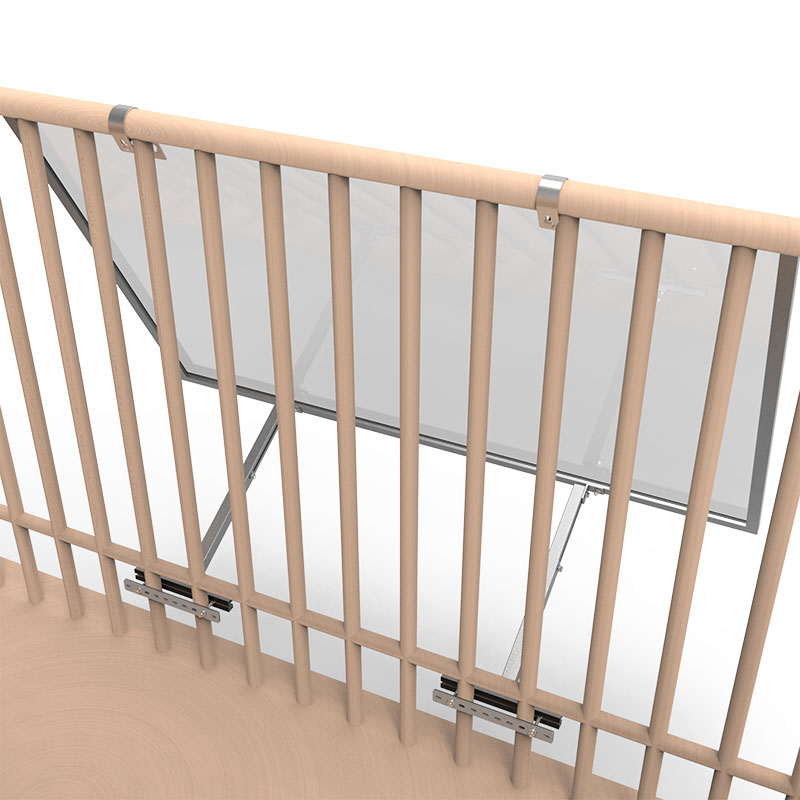
I used to think “solar” automatically meant a roof, permits, contractors, and a long payback timeline. Then I started seeing neighbors quietly adding a small, clean setup to their balcony railings and suddenly the idea felt… doable. That’s where Sandeli entered my radar, not as a loud logo slapped onto hardware, but as a brand focused on the details that actually matter when you live in an apartment. If you’re exploring a Solar Balcony Mounting System for limited space, renter-friendly installation, and a setup that still looks tidy, this guide is for you.
What Problems Do Balcony Solar Owners Usually Run Into First?
Balcony solar sounds easy until real-life constraints show up. From what I’ve seen (and what buyers keep asking about), the pain points are surprisingly consistent:
- Will it fit my railing type like round, square, glass, or irregular profiles
- Will it be safe in wind especially on higher floors
- Will my landlord complain about drilling or permanent changes
- Will it look messy with exposed brackets and dangling cables
- Will it actually produce meaningful power given shading and balcony angles
A good Solar Balcony Mounting System doesn’t just “hold a panel.” It solves these friction points with smarter adjustability, cleaner cable routing, and installation that respects how people actually live.
How Do I Know If a Solar Balcony Mounting System Fits My Balcony and My Building Rules?
Before you choose hardware, I always suggest a quick reality check that takes 10 minutes and saves you days of back-and-forth:
- Measure balcony width and railing height
- Identify railing material and shape (metal, concrete edge, glass, composite)
- Check if the building restricts “visible exterior changes”
- Confirm where your cable can run safely indoors
- Note your sunlight pattern morning to evening
If drilling is not allowed, prioritize solutions designed to clamp securely and distribute load without damaging railings. That’s one of the reasons many buyers lean toward a Solar Balcony Mounting System with flexible clamping options and stable structural geometry rather than “one-size-fits-all” brackets.
Why Does Adjustability Matter More Than People Think?
The biggest performance difference I see isn’t panel brand, it’s angle. Balcony conditions change by season, nearby buildings, and even how far your balcony overhang shades the panel. A well-designed Solar Balcony Mounting System supports angle adjustment so you can:
- Increase exposure during lower-sun months
- Reduce glare concerns by tuning the tilt
- Adapt to partial shading to avoid “wasted” panel area
- Keep the panel stable without over-stressing clamps
If you’re choosing a system, I’d rather you have fewer “features” and better, smoother adjustability that stays tight over time.
What Makes a Balcony Mounting System Feel Secure During Windy Weather?
Wind anxiety is real, especially if you live on a higher floor. The most reassuring setups share a few structural traits:
- Clamps that grip without slipping and spread pressure evenly
- Hardware that resists loosening from vibration
- Corrosion-resistant materials for long-term outdoor exposure
- Bracing that reduces wobble instead of relying on “tighten harder”
A Solar Balcony Mounting System should be engineered so the load path makes sense, meaning force goes into the railing safely rather than twisting a single weak point. If you’re comparing options, look for systems that feel “designed,” not improvised.
Which Balcony Solar Setup Should I Choose If I Care About Looks and Daily Convenience?
I’m picky about aesthetics because a balcony is part of your living space. When the hardware looks chaotic, people stop loving the system and eventually stop maintaining it. Here’s how I personally evaluate “daily-life friendliness”:
- Does the hardware hide behind the panel cleanly
- Can I route cables neatly without tripping hazards
- Can I access fasteners for periodic checks
- Does it block my view too much
- Can I remove it without leaving scars on the railing
This is where a brand like Sandeli tends to stand out in practical terms, because the goal isn’t just mounting. It’s making a Solar Balcony Mounting System that doesn’t turn your balcony into a construction project.
How Does a Solar Balcony Mounting System Compare With Other Small Space Solar Options?
| Option | Best For | Main Pros | Common Friction Points | My Take |
|---|---|---|---|---|
| Solar Balcony Mounting System | Apartments, condos, railings | No roof needed, modular, often reversible | Railing compatibility, wind concerns | Most realistic for urban renters if chosen wisely |
| Floor-standing balcony frame | Large balconies with open space | No railing load, easy access | Takes floor space, can be unstable if not weighted | Good if you have room and can anchor safely |
| Window-mounted panel | Very small spaces | Fast setup, low commitment | Limited output, awkward angles | Fine as a “starter,” not ideal for steady output |
| Rooftop shared system | Buildings with management support | Best sun access, larger capacity | Approvals, cost sharing, long timelines | Great when available, but not always realistic |
If you want something that’s practical, tidy, and doesn’t require a roof you don’t own, the Solar Balcony Mounting System route usually wins on feasibility.
What Should I Look For When Comparing Products and Suppliers?
When people shop for balcony mounting, they often focus on “does it hold the panel.” I’d rather you judge based on the experience you’ll have after month three:
- Material durability and corrosion resistance for your climate
- Clamp design that protects railing finishes
- Angle options that match your sun exposure
- Hardware that stays tight without constant re-tightening
- Packaging and instructions that don’t assume you’re a technician
- Support that can answer compatibility questions fast
A strong Solar Balcony Mounting System should feel like it was made for real homes, not just for product photos.
How Can I Get More Power If My Balcony Has Shade or Limited Sun?
This is where expectations matter. Balcony solar is rarely “maximum possible output,” but it can still be meaningful if you optimize what you can control:
- Choose the clearest sun window of your day and orient for it
- Use a tilt that reduces self-shading from balcony edges
- Keep the panel surface clean, especially in dusty seasons
- Plan cable routing so you don’t create sharp bends or wear points
- Consider electronics that handle partial shading better
Even with limitations, a thoughtfully installed Solar Balcony Mounting System can turn “wasted exterior space” into consistent, quiet energy support for daily devices.
What Installation Steps Should I Expect If I’m Not a Professional?
I’m not a fan of romanticizing DIY, but balcony mounting can be approachable if the system is designed well. In general, the process looks like this:
- Confirm fit and clamp points on your railing
- Assemble the frame and set a preliminary tilt
- Clamp and align so the panel sits stable and symmetric
- Route cables neatly and protect edges from abrasion
- Do a final tightness check and periodic re-check schedule
The main idea is simple: stability, neatness, and safety. A Solar Balcony Mounting System that’s well thought out reduces guesswork and avoids “creative” fixes that make landlords nervous.
So Is a Solar Balcony Mounting System the Smartest Way to Start Apartment Solar?
If you want a realistic entry point into solar without owning a roof, I genuinely think a Solar Balcony Mounting System is one of the most practical options available. It fits modern city living, respects building constraints, and can still deliver meaningful everyday value when chosen and installed thoughtfully. For me, the “right” system is the one that stays secure, looks tidy, and doesn’t ask you to fight your own home to make it work.
If you’re considering a balcony setup and want a solution that’s built around real-world installation details, Sandeli is worth a closer look. Tell them your railing type, balcony dimensions, and what you’re trying to power, and you’ll get a clearer recommendation faster. Ready to move from browsing to building? Contact us today to request specs, compatibility guidance, or a tailored quote for your next Solar Balcony Mounting System.