

OEM Roll Forming Machine Company in China: Revolutionizing Manufacturing Solutions
2026-09-10
In the rapidly evolving landscape of industrial manufacturing, precision and efficiency are paramount. At the forefront of this transformation is China's OEM roll forming machine sector, where companies like Beenew are pioneering solutions that redefine production standards. This blog explores how these innovations streamline operations, cut costs, and enhance flexibility in global supply chains. From automated systems to custom designs, discover why manufacturers are turning to advanced roll forming technologies for a sustainable competitive edge. Join us as we delve into the cutting-edge advancements shaping the future of fabrication.
Innovations in OEM Roll Forming Technology in China
China's OEM roll forming sector has seen a surge in precision engineering advancements, with manufacturers increasingly adopting laser-guided systems to achieve tolerances within ±0.1mm. This shift has enabled the production of complex profiles for automotive chassis and renewable energy structures, reducing material waste by up to 15% compared to traditional methods. Local firms are integrating IoT sensors into production lines, allowing real-time monitoring of variables like roller pressure and feed rates, which has slashed downtime by 20% in pilot plants.
A notable trend is the development of hybrid roll forming machines that combine additive manufacturing techniques, such as 3D-printing specialized rollers on-site. This innovation allows for rapid prototyping of custom profiles within 48 hours, a process that previously took weeks. Companies like Jiangsu-based FormTech are leveraging AI-driven simulation software to predict material behavior under stress, resulting in lighter, high-strength components for aerospace applications that meet international safety standards without compromising efficiency.
Sustainability-focused innovations are gaining traction, with factories implementing closed-loop cooling systems that recycle lubricants and reduce water usage by 40%. Collaborations between universities and OEMs have led to breakthroughs in composite-material roll forming, enabling the use of carbon-fiber-reinforced polymers for consumer electronics housings. These efforts have positioned China as a leader in cost-effective, adaptable roll forming solutions that cater to global supply chain demands, particularly in the automotive and construction industries.
Customized Manufacturing Solutions for Global Clients
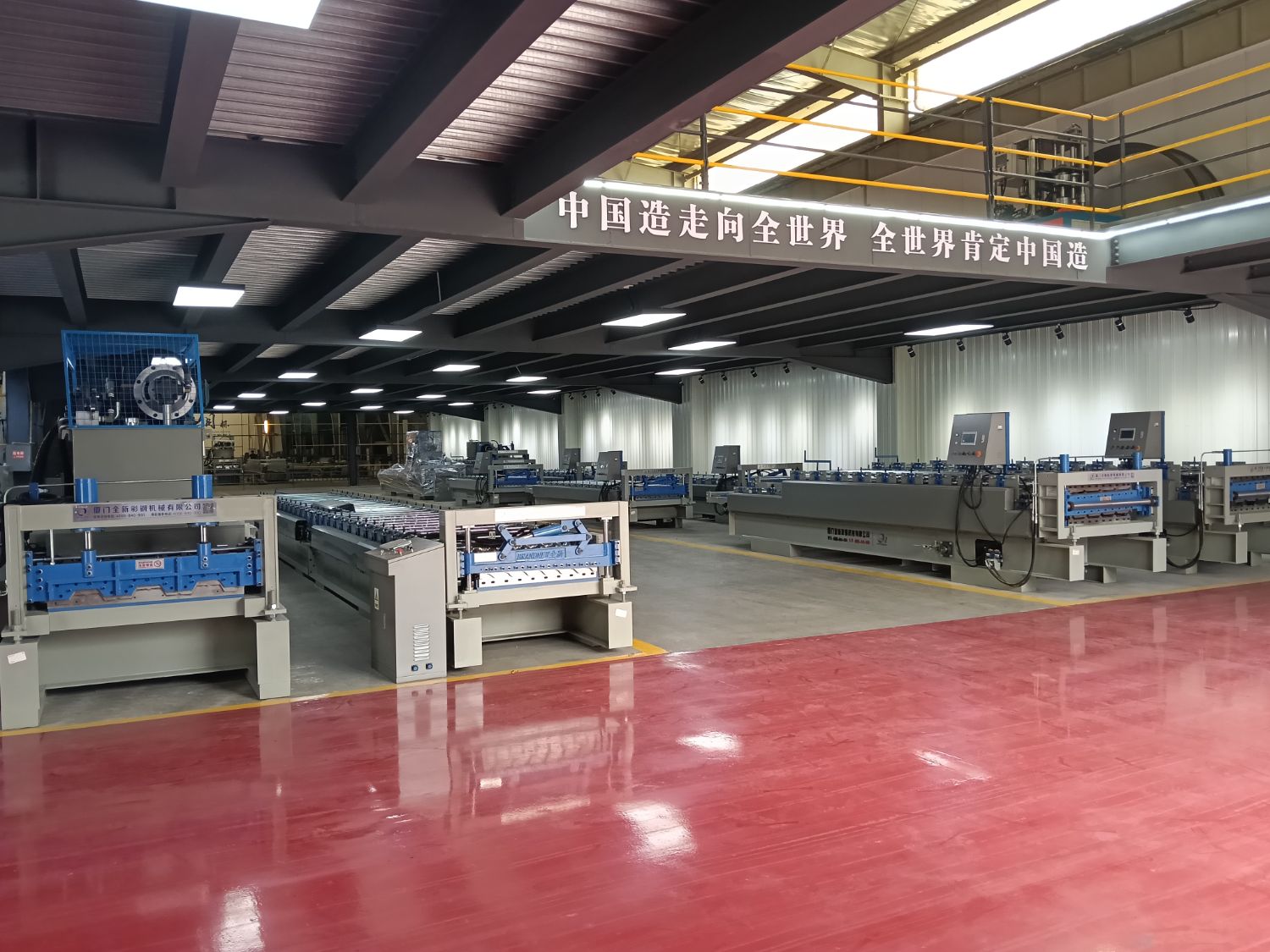
At the forefront of our operations, we pride ourselves on crafting tailored manufacturing solutions that perfectly align with the unique demands of international clients. Whether you're launching a new product line or optimizing an existing process, our team collaborates closely with you to design flexible production models that adapt seamlessly to diverse market requirements.
By leveraging advanced technologies and agile methodologies, we ensure that every solution is not only efficient but scalable, empowering businesses to thrive in competitive global landscapes. Our approach emphasizes transparency and ongoing support, fostering strong partnerships that drive innovation and long-term success.
From initial concept to final delivery, our commitment to customization means we listen intently to client feedback, incorporating insights to refine processes and deliver exceptional results that stand out in today's fast-paced industrial environment.
Enhancing Production Efficiency with Advanced Machinery
In today's competitive industrial landscape, leveraging advanced machinery is no longer optional; it's a strategic necessity for boosting production efficiency. By integrating smart automation and precision tools, companies can streamline workflows, minimize downtime, and drastically reduce human error. This shift not only accelerates output but also allows for more consistent quality control, ensuring products meet stringent standards without requiring constant manual oversight. For instance, automated assembly lines equipped with sensors can detect defects in real-time, preventing costly recalls and enhancing overall operational agility.
Beyond speed and accuracy, advanced machinery such as robotics and IoT-enabled devices fosters a data-driven approach to manufacturing. These systems generate vast amounts of operational data, which can be analyzed to identify bottlenecks, optimize resource allocation, and predict maintenance needs before breakdowns occur. This proactive management reduces unexpected stoppages and extends equipment lifespan, ultimately lowering long-term costs. Companies adopting such technologies often see a significant uptick in productivity, as workers can focus on more complex, value-added tasks rather than repetitive manual labor, thereby creating a more skilled and engaged workforce.
Moreover, the integration of cutting-edge machinery supports scalability and innovation, enabling businesses to respond swiftly to market demands. With flexible manufacturing setups and modular equipment, factories can easily pivot to produce new products or adjust volumes without major overhauls. This adaptability is crucial in an era where consumer preferences change rapidly, and staying ahead often hinges on the ability to innovate efficiently. By investing in advanced machinery, organizations not only enhance their current production lines but also lay a foundation for future growth and technological advancements, securing a lasting competitive edge in an ever-evolving global economy.
Sustainability and Eco-Friendly Practices in Roll Forming
As roll forming continues to evolve, it's becoming a standout choice for industries aiming to reduce their environmental footprint. Unlike some manufacturing methods that churn out waste, roll forming excels in material efficiency—long coils of metal are shaped with minimal scrap, often yielding up to 98% material utilization. This precision not only cuts down on raw material consumption but also slashes energy usage during production, as the continuous process minimizes start-stop cycles. Companies are increasingly leveraging this advantage to meet regulatory standards and appeal to eco-conscious customers, making roll forming a smart, sustainable pick for projects ranging from automotive frames to renewable energy installations.
Innovations in eco-friendly practices are transforming how roll forming operations tackle sustainability challenges. For instance, many facilities now integrate closed-loop cooling systems that recycle water, drastically reducing water waste and contamination risks. The adoption of low-VOC (volatile organic compound) lubricants and biodegradable oils further curbs hazardous emissions, creating safer work environments and cleaner outputs. Additionally, advancements in digital monitoring allow real-time tracking of energy and resource use, enabling manufacturers to pinpoint inefficiencies and optimize processes on the fly. These practical steps not only enhance environmental performance but also drive cost savings, proving that sustainability and profitability can go hand-in-hand in modern roll forming.
Beyond the factory floor, roll forming contributes to broader green initiatives through product longevity and recyclability. Components produced via this method, such as durable building panels or lightweight transport structures, often boast extended lifespans due to their consistent quality and resistance to corrosion. When these products reach end-of-life, the high-grade metals used—like steel or aluminum—are fully recyclable, supporting circular economy models that divert waste from landfills. By aligning with global trends toward sustainable construction and green manufacturing, roll forming positions itself as a forward-thinking solution that not only meets today's needs but also safeguards resources for future generations.
Collaborative Engineering and Design Partnerships
In today's fast-paced world, collaborative engineering and design partnerships are no longer a mere convenience but a strategic imperative. Companies are increasingly finding that siloed approaches stifle innovation, leading to longer development cycles and missed market opportunities. By forging alliances with specialized design firms, manufacturers, or even cross-industry experts, businesses can tap into a broader pool of skills and perspectives. This synergy often results in products that are not only technically sound but also user-centric, blending functionality with aesthetics in ways that standalone teams might overlook.
These partnerships thrive on a foundation of open communication and shared goals. Unlike traditional vendor-client relationships, they involve co-creation from the outset, with engineers and designers working side-by-side to solve complex challenges. For instance, a tech startup might partner with an industrial design studio to refine a prototype, ensuring it's both manufacturable and visually appealing. This iterative process leverages diverse expertise—like mechanical engineering precision alongside creative design thinking—to accelerate problem-solving and reduce costly revisions down the line.
Ultimately, successful collaborations hinge on trust and clear roles, transforming potential conflicts into opportunities for growth. When teams align around a common vision, they can push boundaries, exploring sustainable materials or cutting-edge technologies together. This dynamic not only fuels breakthrough innovations but also builds resilient networks that adapt swiftly to changing demands, making such partnerships a key driver in today's competitive landscape.
Future Trends in Chinese Roll Forming Industry Growth
As China continues to advance its manufacturing capabilities, the roll forming industry is poised for significant transformation driven by technological innovation and sustainability imperatives. One key trend is the accelerated adoption of automation and smart manufacturing solutions, such as AI-powered quality control systems and IoT-enabled machines, which enhance precision and reduce downtime. This shift is not just about replacing manual labor; it's about creating more agile production lines that can quickly adapt to custom orders and complex designs, giving Chinese firms a competitive edge in global markets where flexibility and efficiency are paramount. Companies are increasingly investing in advanced software for simulation and design optimization, allowing them to prototype faster and minimize material waste, thus aligning with broader economic goals of resource efficiency.
Environmental sustainability is emerging as a major driver for growth, with stricter regulations and growing demand for eco-friendly products pushing the industry toward greener practices. In response, many Chinese manufacturers are integrating energy-efficient machinery and exploring the use of recycled or lightweight materials, such as aluminum and high-strength steel, to reduce carbon footprints. This trend isn't just a compliance effort; it's opening up new opportunities in sectors like electric vehicle manufacturing and renewable energy infrastructure, where roll-formed components play a crucial role. By focusing on sustainable production methods, the industry is not only meeting global standards but also attracting international partnerships and investments that bolster its long-term viability.
Diversification into niche markets is another trend reshaping the landscape, as Chinese roll forming companies move beyond traditional applications in construction and automotive to explore areas like aerospace, medical devices, and consumer electronics. This expansion requires higher precision and customization, driving innovation in tooling and process technologies. With the government's support through initiatives like "Made in China 2025," firms are gaining access to research and development resources that foster specialized expertise. As a result, the industry is evolving from a mass-production hub to a center for high-value, specialized manufacturing, positioning China as a key player in supplying advanced roll-formed products worldwide.
FAQ
Chinese OEM roll forming machines offer cost-effective, high-precision solutions with rapid customization, enabling businesses to streamline production and reduce lead times without compromising on quality.
Through advanced engineering, strict quality control processes, and the use of durable materials, Chinese manufacturers deliver robust machines that meet international standards and client-specific requirements.
Yes, Chinese OEM providers excel at customizing roll forming machines to handle unique materials, shapes, and production volumes, ensuring a perfect fit for diverse industrial applications.
Industries such as construction, automotive, aerospace, and appliance manufacturing leverage these machines for efficient, automated production of components like panels, frames, and structural parts.
Continuous R&D in automation, smart controls, and energy efficiency leads to machines that boost productivity and adapt to modern manufacturing trends, keeping clients competitive.
Factors include the manufacturer's expertise, customization capabilities, after-sales support, and proven track record to ensure reliable, long-term performance and value.
Chinese OEMs often provide significant savings due to lower production costs, scalable solutions, and efficient supply chains, making high-quality machinery accessible for various budgets.
Conclusion
In the dynamic landscape of global manufacturing, Chinese OEM roll forming machine companies are at the forefront of revolutionizing production solutions through cutting-edge innovations. As detailed in sections on innovations in OEM roll forming technology and future trends in Chinese roll forming industry growth, these firms are not merely adapting to change but driving it by integrating advanced machinery, smart automation, and sustainable eco-friendly practices. By enhancing production efficiency with advanced machinery, they offer customized manufacturing solutions for global clients that are both scalable and cost-effective, ensuring businesses worldwide can meet diverse market demands with precision and agility. This proactive approach positions China as a hub for high-quality, forward-thinking manufacturing that continuously pushes technological boundaries while fostering sustainability.
Beyond technical prowess, the success of these companies is rooted in strong collaborative engineering and design partnerships, which enable tailored solutions and seamless integration into client operations. By focusing on customized manufacturing solutions for global clients and collaborative partnerships, they build long-term relationships based on trust and mutual innovation. The emphasis on sustainability and eco-friendly practices in roll forming further highlights their commitment to reducing environmental impact without compromising on performance, aligning with global green initiatives. Together, these elements—from technological advancements to strategic collaborations—underscore how Chinese OEM roll forming specialists are transforming manufacturing into a more efficient, adaptable, and responsible industry, poised for sustained growth and global leadership.
Contact Us
Contact Person: Sophie
Email: [email protected]
Tel/WhatsApp: 8615959271231
Website: https://www.beenew-rollformer.com/