
Discover China's Leading Solar Fence Manufacturers: Top Suppliers and Key Insights
2026-01-18
As the demand for reliable and sustainable security solutions continues to rise in China and globally, solar-powered fences have emerged as a game-changing innovation. In this blog, we explore the landscape of China's leading solar fence manufacturers, offering key insights on top suppliers and industry trends that every buyer should know. For those seeking high-quality, eco-friendly options, brands like Topfence are setting new standards with their cutting-edge technology and durable designs. Whether you're a business owner looking to secure your property or a sustainability enthusiast interested in green energy applications, this guide will help you navigate the competitive market and make informed decisions. Stay tuned for expert advice and detailed comparisons that highlight what makes these manufacturers stand out.
Innovative Technology and Manufacturing Excellence in Solar Fence Solutions
Solar fence solutions stand out through groundbreaking technological advancements that redefine perimeter security. By integrating high-efficiency photovoltaic panels with intelligent energy management systems, these fences not only generate their own power but also store excess energy for use during low-light conditions. This self-sustaining capability eliminates reliance on traditional grids, reducing operational costs and enhancing reliability. Innovations like motion sensors and wireless connectivity further elevate functionality, allowing for real-time monitoring and alerts directly to users' devices, ensuring robust protection even in remote areas.
Manufacturing excellence plays a pivotal role in the durability and performance of solar fencing. Advanced production techniques, such as robotic welding and precision engineering, ensure that components are built to withstand harsh environmental conditions, from extreme temperatures to corrosive elements. Quality control measures, including rigorous testing for structural integrity and panel efficiency, guarantee that each fence meets stringent safety and durability standards. This meticulous attention to detail results in long-lasting solutions that require minimal maintenance, providing peace of mind for users across various applications.
The synergy between innovative technology and superior craftsmanship sets solar fence solutions apart in the market. By focusing on eco-friendly design and user-centric features like customizable configurations and easy installation, these products offer a versatile and efficient alternative to conventional fencing. This commitment to excellence not only drives adoption in residential, commercial, and industrial settings but also positions solar fences as a forward-thinking choice for enhancing security while contributing to sustainable practices.
Key Players and Market Leaders in China's Solar Fence Industry
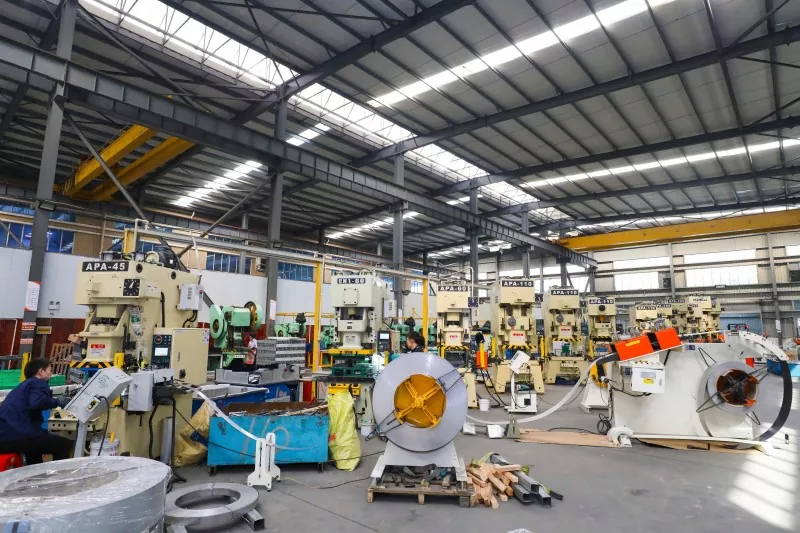
China's solar fence industry has witnessed rapid growth, driven by national policies promoting renewable energy and smart security solutions. Among the key players, Jinko Solar stands out for its integration of high-efficiency photovoltaic panels into durable fencing systems, often used in remote agricultural and industrial zones. Trina Solar has carved a niche with customizable designs, appealing to residential clients seeking eco-friendly security. LONGi Solar, known for its monocrystalline technology, enhances fence performance in low-light conditions, making it a favorite in northern regions where sunlight can be scarce. These companies leverage robust R&D to improve energy conversion rates, ensuring their products not only provide security but also generate significant power for on-site use.
Market leaders in this sector often compete on innovation and service quality. Sungrow Power Supply, for instance, excels in integrating inverters and battery storage with solar fences, offering comprehensive solutions that reduce reliance on the grid. JA Solar has gained traction by focusing on cost-effectiveness, making solar fencing accessible to small businesses and rural communities. Meanwhile, Huawei's entry into the market through its smart energy division brings advanced IoT capabilities, allowing for real-time monitoring and automated responses. This technological edge helps these firms maintain dominance by addressing both energy efficiency and user convenience, setting them apart from mere hardware suppliers.
Regional dynamics also shape the competitive landscape, with companies like Risen Energy and Canadian Solar (through local partnerships) tailoring products to specific climates and regulatory environments. For example, in coastal areas prone to corrosion, they develop anti-rust coatings, while in urban settings, emphasis is on aesthetic integration with architecture. Collaborations with construction firms and government projects further bolster their market positions, as seen in large-scale installations for public infrastructure. This adaptability and strategic alliances ensure that these leaders not only survive but thrive amidst evolving market demands and environmental challenges.
Sustainable and Eco-Friendly Benefits of Modern Solar Fences
Modern solar fences represent a significant leap in green technology, offering sustainable advantages that go beyond just security. By harnessing energy from the sun, these systems reduce reliance on non-renewable resources, cutting down carbon emissions and contributing to a cleaner environment. This not only supports eco-friendly living but also aligns with global efforts to combat climate change through renewable energy adoption.
In addition to their environmental impact, solar fences provide long-term cost savings by eliminating electricity bills associated with traditional fencing. The initial investment often pays off over time, making them a smart choice for both residential and commercial properties. Their modular design allows for easy installation and scalability, ensuring they can adapt to various needs while maintaining efficiency and minimal maintenance requirements.
Moreover, solar fences enhance property aesthetics and value, as they can be customized with modern designs that blend seamlessly into landscapes. They offer reliable operation even in remote areas without grid access, promoting sustainability in off-grid communities. Overall, these benefits highlight how solar fences not only secure spaces but also foster a greener, more sustainable future.
Durability and Performance Features for Enhanced Security Applications
In critical security environments, durability is often the unsung hero that ensures systems remain operational under extreme conditions. For instance, hardware designed for such applications must withstand high temperatures, vibrations, and prolonged usage without degradation, much like ruggedized servers in data centers or surveillance equipment in harsh outdoor settings. This resilience directly translates to fewer failures and maintenance downtimes, which is essential for continuous security monitoring where every second counts. By prioritizing robust materials and stress-tested components, manufacturers can deliver products that not only last longer but also maintain consistent performance over time, reducing the need for frequent replacements and thereby cutting long-term costs.
Performance features, on the other hand, focus on the speed and efficiency of security operations. Imagine a facial recognition system that processes data in real-time, using optimized algorithms and powerful processors to minimize latency. This ensures swift threat detection and response, enhancing overall security effectiveness. Advanced caching mechanisms and parallel processing capabilities allow these systems to handle large datasets without bottlenecks, crucial for applications like network intrusion detection or access control in crowded venues. Integrating such performance boosts with durability measures creates a synergy where fast, reliable operations are sustained even under duress, making systems more trustworthy and effective in high-stakes scenarios.
To truly stand out in the field, innovative approaches can blend durability and performance in unique ways. For example, some solutions now incorporate self-healing firmware that automatically corrects minor faults without human intervention, maintaining both uptime and speed. Others leverage energy-efficient designs that reduce power consumption while boosting processing power, a balance that's particularly valuable in remote or battery-operated security setups. By moving beyond standard industry practices and tailoring features to specific user needs, such as adaptive performance scaling based on threat levels, products can offer a distinct edge, ensuring that security applications are not just robust and fast, but also smart and adaptable to evolving challenges.
Cost-Effectiveness and Long-Term Savings with Solar-Powered Systems
When you invest in solar-powered systems, the financial benefits often become clear right from the start. Beyond just cutting down on monthly utility bills, these systems are designed to handle energy demands efficiently, leading to immediate savings that can be reinvested into other areas of your life or business. Many people are surprised by how quickly the initial costs pay off, thanks to reduced reliance on grid electricity and the ability to sell excess power back to the utility companies in some regions. This isn't just about saving pennies; it's about transforming your energy expenses into a predictable, manageable part of your budget.
Over the long haul, solar systems prove their worth by offering stability in an unpredictable energy market. As fossil fuel prices fluctuate and grid tariffs rise, your solar setup remains a constant, providing free energy from the sun for decades. With warranties often covering 25 years or more, you're essentially locking in low energy rates for the future. This long-term perspective not only shields your finances from inflation but also adds value to your property, making it more attractive to eco-conscious buyers if you ever decide to sell. It's like planting a money tree that grows with the sun—once installed, it keeps giving back without the ongoing costs of traditional power sources.
What truly sets solar-powered systems apart is their adaptability to different scales and needs, from small residential setups to large commercial installations. This flexibility means that whether you're powering a single home or an entire factory, the savings are tailored to your specific usage patterns. By integrating smart technology, like battery storage or energy management systems, you can maximize efficiency further, ensuring minimal waste and optimal cost-effectiveness. In essence, going solar isn't just a purchase; it's a strategic move toward financial independence and sustainability, where every ray of sunshine translates into tangible, lasting savings that keep accruing year after year.
Trends and Future Outlook for Solar Fence Adoption Globally
Globally, solar fence adoption is rapidly increasing as renewable energy becomes more integrated into everyday security solutions. These fences, which harness solar power to operate electrified or alarm systems, are gaining traction in both rural and urban areas due to their cost-effectiveness and environmental benefits. For instance, in regions with abundant sunlight, like parts of Africa and Australia, farmers are turning to solar fences to protect livestock without relying on unreliable grid electricity, reducing maintenance costs and enhancing sustainability. This trend is supported by declining solar panel prices and technological improvements in battery storage, making such systems more accessible and reliable over time.
Looking ahead, the future outlook for solar fences appears promising, driven by innovations in smart technology and policy shifts toward green energy. Emerging trends include the integration of IoT sensors and AI-powered monitoring, allowing for real-time alerts and remote control via mobile apps, which boosts efficiency and user convenience. Additionally, government incentives and regulations promoting renewable energy adoption, such as subsidies in countries like India and the US, are expected to accelerate market growth. As concerns over climate change and energy security mount, solar fences are poised to become a standard feature in agricultural, industrial, and residential sectors, potentially expanding into new markets in Asia and Latin America where solar potential is high but underutilized.
However, challenges remain, such as initial installation costs and weather dependency, which could slow adoption in less sunny regions or during seasonal variations. To overcome these hurdles, ongoing research focuses on hybrid systems combining solar with wind or grid backup, and community-based initiatives that share resources. By addressing these issues, the global adoption of solar fences is likely to evolve into a more robust and versatile solution, contributing to energy independence and enhanced security worldwide over the next decade.
FAQ
Leading manufacturers like Trina Solar and JinkoSolar offer cutting-edge solar fencing systems, integrating efficient panels with durable designs for residential and commercial use.
They utilize high-quality materials such as corrosion-resistant aluminum frames and tempered glass panels, often tested under extreme conditions to withstand harsh climates worldwide.
Buyers should evaluate certifications (e.g., TUV, UL), manufacturer reputation, customization options, and after-sales support to ensure reliability and long-term performance.
Trends include the adoption of smart monitoring systems, integration with IoT for energy management, and eco-friendly materials to enhance sustainability and user convenience.
While competitive pricing is common, top manufacturers balance cost with features like warranty periods, installation support, and energy efficiency, offering better overall value than cheaper alternatives.
These systems are widely used in agricultural fencing, security perimeters, residential boundaries, and public infrastructure projects, providing off-grid power and enhanced security.
Direct contact through trade platforms like Alibaba, specifying technical needs and requesting samples or site visits, helps align expectations and ensure product suitability for local markets.
Conclusion
China has established itself as a global hub for solar fence manufacturing, driven by companies that excel in innovative technology and manufacturing excellence. Leading suppliers integrate advanced photovoltaic panels, efficient energy storage systems, and smart monitoring capabilities into their solar fence solutions, ensuring high performance and reliability. These key players dominate the market by offering products that are not only durable and enhanced for security applications but also incorporate sustainable and eco-friendly benefits, reducing carbon footprints and promoting green energy use. The industry’s focus on quality and innovation positions Chinese manufacturers at the forefront, catering to diverse global demands with cutting-edge designs.
The solar fence industry in China is characterized by its cost-effectiveness and long-term savings, making solar-powered systems an attractive investment for residential, commercial, and industrial users. Trends indicate a growing adoption globally, fueled by increasing awareness of environmental issues and the need for reliable security solutions. With a future outlook that emphasizes scalability and technological advancements, Chinese suppliers are poised to expand their influence, driving trends in renewable energy integration and smart security. This dynamic market offers insights into how sustainability and performance can converge to meet the evolving needs of a world seeking efficient and eco-conscious solutions.
Contact Us
Contact Person: Nancy
Email: [email protected]
Tel/WhatsApp: +86-13365923720
Website: https://www.topfencesolar.com/