

Best Solar Street Lights: The Ultimate Guide to Modern Outdoor Illumination
2026-07-08
Outdoor lighting has evolved dramatically, and modern solar street lights are at the forefront of this transformation. Imagine streets, pathways, and public spaces illuminated by clean, renewable energy—no wiring, no trenching, just reliable brilliance night after night. Among the pioneers driving this change, SRS stands out with solutions that blend cutting-edge technology and rugged durability. Ready to discover how smart solar illumination can redefine your outdoor spaces? Let's dive in.
Where Efficiency Meets Ambiance: Solar Street Lights Redefined
In the quiet shift from conventional to conscientious, solar street lights have stepped beyond their utilitarian roots. No longer just a grid-free source of illumination, they now carry a dual promise: uncompromising energy efficiency paired with an aesthetic that enriches the spaces they inhabit. It’s a rethink of what outdoor lighting can be — subtle during the day, captivating at dusk, and intelligently responsive through the night.
This redefinition is rooted in the details. Advanced photovoltaic cells harvest energy even under overcast skies, while adaptive LED optics sculpt light precisely where it’s needed, cutting waste and glare. The design language has evolved too — slim profiles, warm color temperatures, and materials that weather gracefully over time. Every element, from the placement of the panel to the curve of the housing, is crafted to merge performance with a softer visual signature. The result is an atmosphere that feels less engineered and more naturally inviting.
Beyond the visible, smarter controls elevate these lights into sentient companions for streets and courtyards. Motion-responsive dimming, seasonal brightness adjustments, and remote diagnostics work silently in the background, conserving power while maintaining safety. The ambiance isn’t just a matter of appearance; it’s a living, breathing presence that adapts to movement and routine. This is where the practical meets the poetic — a street that doesn’t just shine, but glows with personality, efficiency woven into every lumen.
Breaking Down the Anatomy of a Reliable Solar Street Light
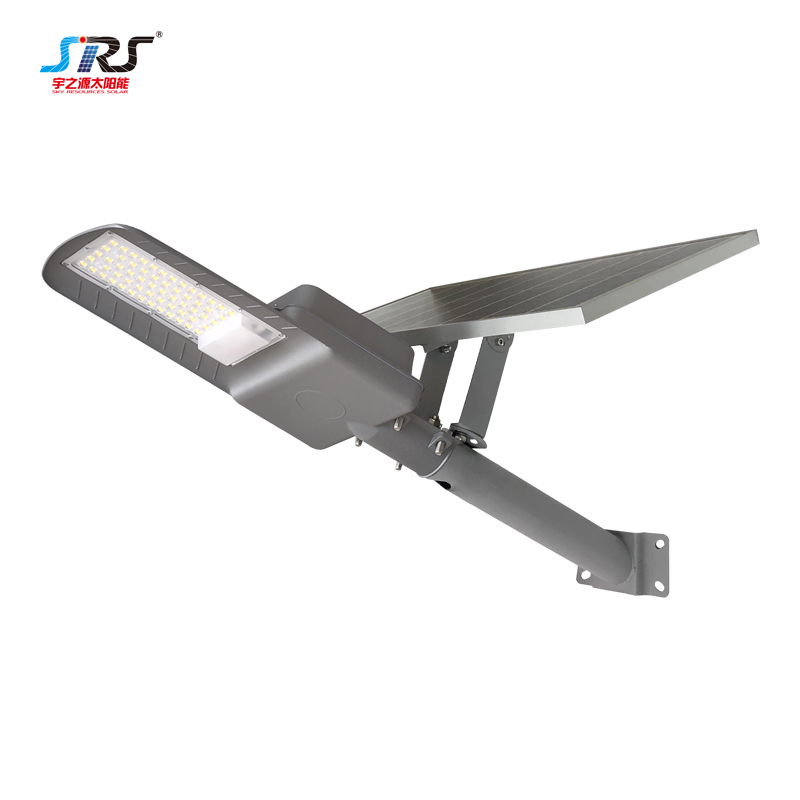
At the core of any dependable solar street light is a high-efficiency photovoltaic panel, typically made of monocrystalline silicon, which captures sunlight even on overcast days. This panel is angled and sized precisely to match the geographic location’s solar irradiance, ensuring consistent energy harvest. Paired with a durable, weather-sealed junction box and corrosion-resistant framing, the panel forms the first line of defense against environmental wear.
Energy storage is equally critical, and lithium iron phosphate batteries have become the go-to choice for reliability. They offer a longer cycle life and safer thermal performance compared to older lead-acid or generic lithium-ion options. A smart battery management system monitors charge levels and temperature, preventing deep discharge and overcharging—two common killers of outdoor power systems. Together with an MPPT charge controller, the battery pack maintains steady performance across seasons, often providing several nights of autonomy for cloudy periods.
Finally, the luminaire assembly and its intelligent controls tie everything together. High-output LEDs with precisely engineered optics direct light exactly where it’s needed, minimizing waste and glare. Adaptive lighting profiles—such as dimming during low-traffic hours and brightening upon motion detection—extend battery life without compromising safety. The entire housing, from the aluminum heatsink to the IP66-rated enclosure, is designed to dissipate heat effectively and seal out moisture, dust, and insects, making the unit truly set-and-forget.
Selecting Your Perfect Match: Beyond Lumens and Watts
Walk down any lighting aisle and you'll see bulbs bragging about lumens and watts, but fixating on those numbers alone is like buying a car based purely on horsepower. A 60-watt-equivalent LED can look flat and clinical in your cozy reading nook, while that same brightness might feel sterile above the dinner table. The real trick is matching the light’s character to the room’s soul—something brightness metrics never capture.
Start with color temperature: that warm amber glow (around 2700K) invites you to sink into the couch, while a cooler 4000K mimics midday sun and keeps you alert in a home office. Then there’s color rendering—a high CRI score means your navy rug actually looks navy, not a murky black. Think of it as the bulb’s honesty about the colors it reveals.
Don’t overlook dimmability and smart features, either. A bulb that dims smoothly without flicker is a quiet luxury you’ll appreciate every evening. And if you love routines, a fixture that fades in like sunrise or syncs with your voice assistant turns light into an experience rather than just a utility. The perfect bulb doesn’t just illuminate—it transforms a space without you even noticing why it feels so right.
Installation Insights That Most Guides Overlook
Most guides walk you through the obvious steps—unbox, plug in, power on—but they rarely mention the small details that determine a smooth setup. For instance, checking your circuit capacity before adding high-draw appliances can prevent breakers from tripping when you least expect it. Even slight variations in voltage can cause sensitive electronics to behave unpredictably, yet this warning seldom makes it into standard manuals. Taking ten minutes to map out your power distribution ahead of time saves hours of troubleshooting later.
Another overlooked aspect is environmental conditioning. Many devices need time to acclimate to room temperature after sitting in a cold delivery truck, or they may collect condensation that leads to internal corrosion. Similarly, installation surfaces often hide uneven spots that cause vibration or misalignment over time. A quick check with a level and a few shims can make the difference between a unit that runs whisper-quiet and one that rattles incessantly.
Finally, cable management is treated as an afterthought, yet loose wires create tripping hazards, interfere with airflow, and complicate future maintenance. Routing and labeling cables during the initial setup—not as a cosmetic step but as a functional necessity—extends equipment life and simplifies upgrades. These might seem like minor oversights, but collectively they transform a frustrating installation into a seamless, long-term success.
Debunking Common Myths Around Solar Street Light Upkeep
Many people assume solar street lights demand constant, costly upkeep—this couldn't be further from the truth. Once installed, high-quality systems practically take care of themselves. The panels are designed to shed dust and debris with normal rainfall, and the LED fixtures often last over 50,000 hours. What little attention they do need, like a visual check every few months, is far simpler than maintaining grid-tied lights with their complex wiring and frequent bulb swaps.
Another persistent myth is that the batteries need replacing every year or two. In reality, modern lithium-ion or LiFePO4 batteries are built for deep-cycle use and typically endure 5 to 7 years or more, depending on the climate and usage patterns. Their built-in management systems prevent overcharging and deep discharging, which dramatically extends their lifespan. So while the battery is a wear component, its replacement interval is often exaggerated.
There's also a belief that solar street lights go dim quickly after dusk or falter in cloudy weather. Today's systems use intelligent controllers that regulate brightness based on available energy and motion detection, often keeping lights functional all night even after overcast days. Properly sized panels and batteries are calculated based on local sun hours to ensure consistent performance year-round. With smart technology, they adapt to conditions rather than simply failing when the sun doesn't shine brightly every day.
From Pathways to Parking Lots: Creative Lighting Scenarios
Lighting does more than just banish shadows; it sculpts the night, transforming mundane routes into immersive experiences. A winding garden path can be turned into a moonlit ribbon with low-level bollards that mimic starlight, guiding footsteps without overpowering the darkness. The key lies in contrast—soft pools of light alternating with pockets of dimness to create rhythm and intrigue. Materials matter, too: frosted lenses soften glare, while bronze housings blend with foliage, making the fixtures almost invisible during the day.
Parking lots, often dismissed as utilitarian voids, become canvases for inventive illumination. Instead of blanket glare, consider tall poles with asymmetrical optics that wash light exactly where needed, receding into the background. Integrated motion sensors can gradually brighten zones as vehicles enter, conserving energy and adding a layer of responsive hospitality. Even the pavement can play a role—polished concrete reflects light, making the space feel larger and safer, while textured surfaces absorb it for a softer, more intimate atmosphere.
The most successful schemes treat light as a narrative element. Along a commercial plaza, linear LED strips embedded in seating walls invite pauses, their warm hue mimicking candlelight. Overhanging trees can glow from above with discreet uplights, their shadows dancing on walkways. By thinking beyond safety codes and embracing the creative potential of directional beams, color temperatures, and dynamic controls, even the most overlooked thoroughfares become destinations in their own right.
FAQ
Solar street lights are standalone lighting systems that use sunlight to power LEDs during the night. Unlike conventional street lights that rely on grid electricity, these units have photovoltaic panels, a battery, and a controller all built into one fixture or mounted nearby. They operate completely off-grid, making them ideal for remote areas or places where trenching wires is impractical.
During the day, the solar panel absorbs sunlight and converts it into electricity, which gets stored in a rechargeable battery. A smart controller manages the charging and prevents overcharging. When dusk falls, the controller senses the drop in ambient light and automatically turns the LED on, drawing power from the battery until dawn or until a preset time is reached.
The advantages go beyond just saving on electricity bills. Since they don’t require grid connection, installation is simpler and less disruptive. They also boost safety in poorly lit areas without adding to carbon emissions. Maintenance tends to be lower because LEDs last for years, and the absence of cables reduces theft and vandalism risks. Plus, many models offer motion sensors for adaptive brightness.
Yes, modern designs handle overcast conditions better than many people expect. High-efficiency monocrystalline panels can still capture diffuse sunlight, and most batteries are sized to store enough energy for at least two to three nights of autonomy. In areas with prolonged gloomy weather, some systems allow for larger panels or batteries to compensate, though it’s wise to check the specific performance specs for your location.
Focus on brightness (measured in lumens), battery capacity (lithium-ion is preferred for longevity), and the quality of the solar panel. Pay attention to the IP rating—IP65 or higher ensures weather resistance. If you need dusk-to-dawn operation, check the run time on a full charge. Also consider mounting height and spread of the light; some cast a narrow beam, others a wide area. Warranty and local support matter too.
Most residential or small commercial units are designed for DIY installation. You typically need to mount the pole or bracket in a sunny spot, attach the fixture, and secure it. There’s no wiring to the grid, so you skip the trenching and electrical permits. Manufacturers often include step-by-step instructions. For large-scale or tall poles, professional help is recommended to ensure structural safety and optimal tilt angle.
They’re fairly low-maintenance compared to traditional lights. It’s good practice to clean the solar panel every few months to remove dust or snow, and occasionally check that the battery and connections are intact. LEDs have a lifespan of 50,000 hours or more, and quality lithium batteries can last 5–7 years before needing replacement. The robust casings also help protect internal components from pests and moisture.
Conclusion
Modern solar street lights have evolved far beyond simple fixtures; they represent a seamless blend of cutting-edge efficiency and inviting nighttime atmosphere. At their core, these systems rely on a carefully engineered anatomy—solar panels with high conversion rates, durable batteries designed for deep cycling, and smart controls that adapt to real-world conditions. But choosing the right model isn't just about comparing lumens and watts. The real decision lies in understanding your space: the interplay of mounting height, beam angle, and the subtle color temperature that shapes how people experience an area after dark. Overlooked installation details, like avoiding shade from future tree growth or ensuring the pole's tilt angle captures maximum sun year-round, can make or break performance. And despite persistent myths, today's solar lights require far less maintenance than most assume—occasional panel cleaning and a quick battery check are often all it takes to keep them running reliably for years.
What truly sets the best solar street lights apart is their versatility. They effortlessly transition from outlining cozy residential pathways to flooding sprawling commercial parking lots with secure, uniform brightness. Creative applications now include accenting architectural features, forming responsive lighting sequences along bike trails, or even powering remote signage without trenching. A properly selected system doesn't just illuminate; it becomes an integrated part of the landscape, enhancing safety and extending usable hours outdoors while dramatically cutting energy costs. As you explore options, think beyond technical specs—envision the ambiance you want to achieve and how the light will interact with its environment. The ultimate guide isn't a one-size-fits-all checklist, but rather a framework for matching intelligent design with your unique outdoor vision.
Contact Us
Contact Person: kitty
Email: [email protected]
Tel/WhatsApp: +8618676039824
Website: https://www.srssolargroup.com/